A New Approach to violin
and string instruments
by Kató Havas
Come to the workshops on the New Approach by Kató Havas
Where? When?
A
New Approach to violin is the title of the first book written by
the violin player and teacher Kató
Havas, first published in 1961, when nobody talked about
physical injuries caused by playing an instrument. Nowadays everybody
is well aware of this issue, there are even clinics for musicians'
injuries.
It was published with a preface by Yehudi Menuhin saying:
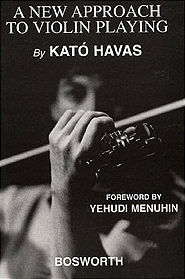
“It is a sad comment on man's perennial ignorance that the rare and the original are usually the obvious. Miss Havas is original in her approach to violin playing because she insists that violin technique must be reducible to basic motions involving more than just the fingertips. … It is also heartening and equally ‘original’ to find a kindred spirit who holds the whole body to be engaged, thus offering non resistance anywhere - only support - and who realizes that of all things - the state of continual balanc, the equilibrium of all parts, fingers against thumb, arms against shoulder-blades, etc., is the object of all training…”
Yehudi Menuhin
What's written in Kató Havas books can be applied to both violin and viola playing.
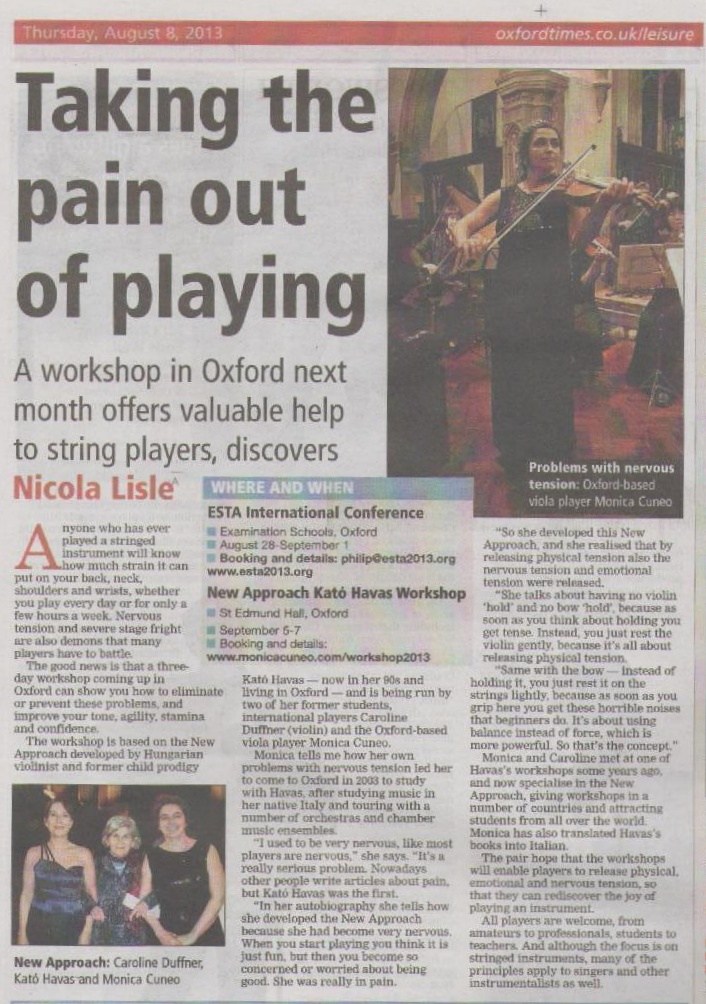
The books and other teaching material by Kató Havas have been published over many years, since 1961 and they are still selling! Here below are the publication dates in chronological order:
- A new approach to violin playing, 1961;
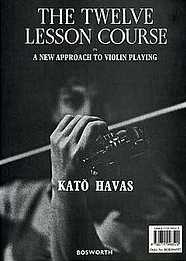
- The twelve-lesson course, 1964;
- Stage fright - Causes and cures, 1973;
- the teaching DVD, 1989;
- videos of Kató Havas workshop, 2008.
By studying them in chronological order you'll notice some slight differences. As Kató Havas herself says in Stage fright, these changes in the terms used and in the indications, based on teaching experience, became necessary in order to simplify more and more, eliminate those terms, exercises, movements that cause physical and mental tensions.
Therefore each book/video is a more in-depth explanation of the previous ones, so it's highly advisable to read in this website the pages about the various books, then read all the books, watch the teaching DVD and the workshop videos available with subtitles.
If you have doubts on how to resolve various problems and so far you haven't found answers, I warmly recommend them to you!
Buy Kató Havas's books Buy the teaching video - DVD
Indeed, the New Approach to violin (which applies to the viola too)
proposes a way of playing based on the use of our body's natural and fundamental balances
instead of the use of a lot of force and pressure that, sooner or
later, will cause many physical problems and difficulties in playing.
So
as when we walk all our body takes part in the movement and, in
particular, our arms naturally move back and forward to keep the
balance, similarly when playing there should be that same suppleness
and naturality of movement, with the whole body elastic the contributes
to the movements. On the contrary, in the great majority of cases, we
focus on what
is more evident as a movement (the left hand fingers and the right
hand) ignoring all the rest.
A New Approach Book's Contents
When you read and use this book, bear in mind that some indications are slightly
different from what is in Stage
fright, written years later. Kató Havas herself in Stage fright explains the
reason for this. One example is about the
left hand. In The twelve lesson course she says that the wrist has to
be
straight, but in Stage
fright she coined the
expression the "giving hand", with the left wrist slightly bent, in a
natural way, toward you.
It's because she realised that some things needed to be changed, in
order to eliminate even the possibility of the slightest tension.
Another example is about the expressions "violin hold" and "bow hold" mentioned in the previous books and the "no
violin hold" and "no bow hold" mentioned in Stage fright.
So, if you notice differences, follow what's written in Stage
fright. Apart form these details, the Twelve lesson course is a
very
useful book, because of the many practical
exercises.
The book A new approach opens explaining the concept that balance is
more powerful than force itself, analyzing what a good tone is, what is
composed of, to get to illustrate how to achieve it, providing real
explanations. Here are the chapters titles:
1)
THE SEARCH OF THE TONE PRODUCTION
2) THE VIOLIN HOLD
Shoulder rest
The stance
The violin hold
The left arm position
The left hand position
3) THE BOWING ARM
The bow hold
The thumb
The upper arm, the elbow and the forearm
The bow stroke and the bow change
4) THE TONE PRODUCTION
Regular and irregular
sound vibrations
The fundamental note and its harmonics
The tone quality
The finger base joints
Intonation
The ear training
The anticipation of the note
The control and preparation of the finger base joints
The fourth finger
The string change
5) THE TONE PRODUCTION APPLIED TO SHIFTS AND DOUBLE STOPS
The order of learning of positions
The shift
The shift with the same finger
The shift to a different finger
The intermediate notes
The fourth position and higher positions
Double stops
6) THE TONE PRODUCTION APPLIED TO STACCATO, DETACHÉ, MARTELÉ, ETC.
The staccato
The springing
staccato (sautillé)
Detaché
Martelé
The legato bowing
7) THE TEACHING OF TONE PRODUCTION
8) THE TONE PRODUCTION APPLIED TO SIGHT READING, MEMORIZING AND TO STAGE FRIGHT
Memorizing
Stage fright
Buy A New Approach to violin in English, German, Spanish or in Italian
Buy Kató Havas' teaching
DVD
Organize a workshop on the New Approach
Read about other books by Kató Havas:
Stage fright
Causes
and cures for physical and mental tensions caused by playing, that
afflict the majority of players. How to eliminate them and play with
more agility and pleasure (for listeners too)
The 12
lesson course in A New Approach to
Violin Playing
The
New Approach organised in 12 lessons, with practical
exercises and pieces to play as a pupil-teacher duo. For beginners
and advanced players as well.
The Violin and I
Kató
Havas' autobiography, with the story of how the
New Approach came to life and the correspondence, which went on
for years, among readers on The Strad magazine
Buy A New Approach in English, German, Spanish or Italian
Organize a workshop on the New Approach
You may want to read more books by Kató Havas, so here they are:
A new approach to violin playing
The first book published. It talks about playing using the natural, fundamental balances of the body, which prevent and eliminate physical tensions, tendonitis, stage fright
The 12 lesson course in A New Approach to violin playing
The New Approach organised in 12 lessons, with practical exercises and pieces to play as a pupil-teacher duo. For beginners and advanced players as well
Stage fright
Causes
and cures for physical and mental tensions caused by playing, that
afflict the majority of players. How to eliminate them and play with
more agility and pleasure (for listeners too)
The violin and I
Kató Havas' autobiography, with the story of how the New Approach came to life and the correspondence, which went on for years, among readers on The Strad magazine
Book a twelve lesson course with me
Buy Kató Havas books
Buy the teaching DVD
Go to Kató Havas (with videos of a workshop)
Go to Violin and viola books
Go to Violin and viola teacher
Go to Home
and get FREE the famous
Rules for a Musical Life
of a great composer!



Recent Articles


-
Regole di vita musicale di Robert Schumann. Formato poster A3
Jan 24, 22 12:23 PM
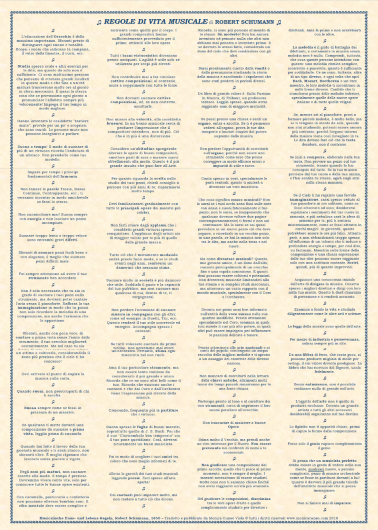
Acquista le Regole di vita musicale, di Robert Schumann. Idea regalo, ispirazione per tutti i musicisti e amanti della musica
-
Kato Havas mi ha "dato il la". Speciale della rivista di ESTA Italia
Feb 19, 21 08:33 AM
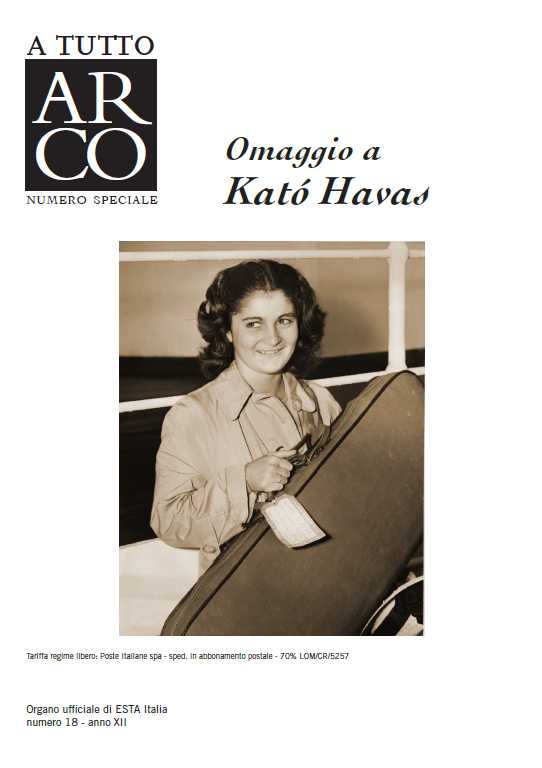
Leggi il mio articolo: Kato Havas mi ha "dato il la", pubblicato sul numero speciale "Omaggio a Kató Havas". Prenota le tue lezioni di violino o viola online
-
Online violin lessons & viola lessons. For conscious players
Oct 06, 20 05:39 PM
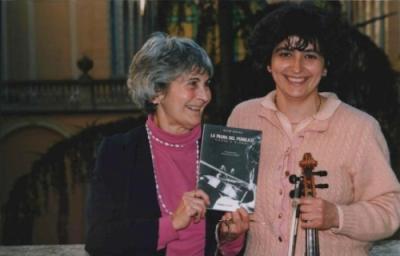
Online violin lessons & viola lessons, personalized, based on the Havas New Approach. Play violin & viola without stage fright, aches & pains, tendonitis
and get FREE the famous
Rules for a Musical Life
of a great composer!
Recommended readings
Some comments about my viola and violin teaching from my pupils
Recommended readings to eliminate physical injuries and stage fright
Click on them to read each book's description
I translated them into Italian, you can see them here
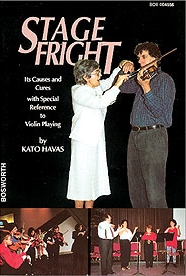
Stage fright
Its causes and cures
A New Approach
to violin playing
Havas New Approach
Teaching DVD
on the causes and cures of physical injuries in violin and viola playing
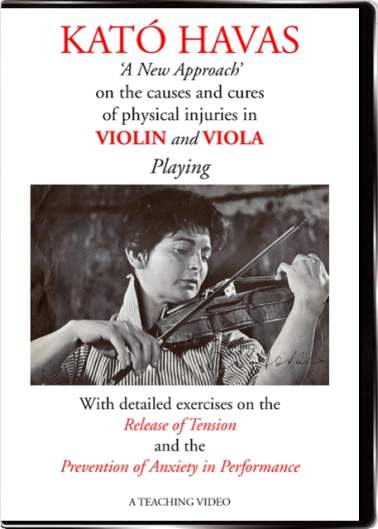
With detailed exercises on the release of tension and performance anxiety
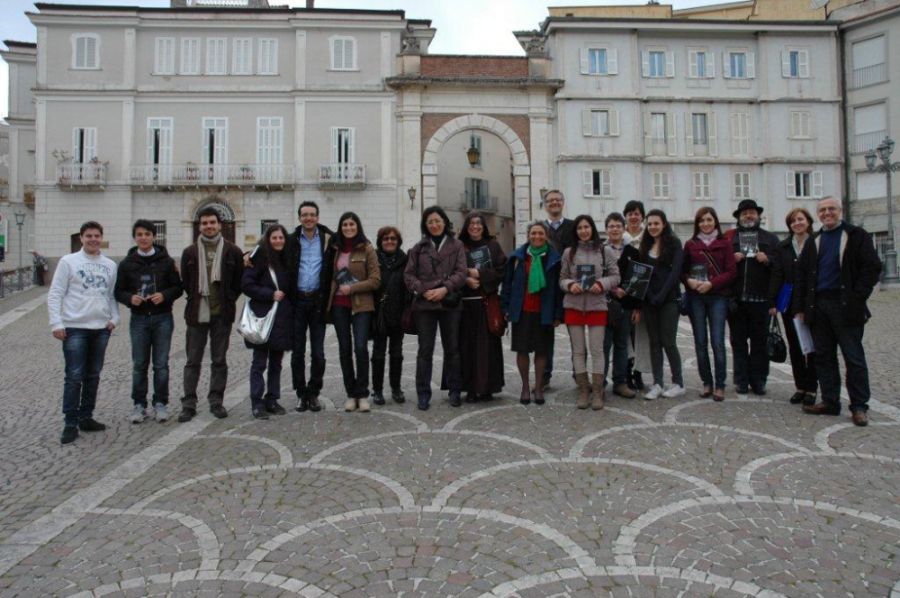
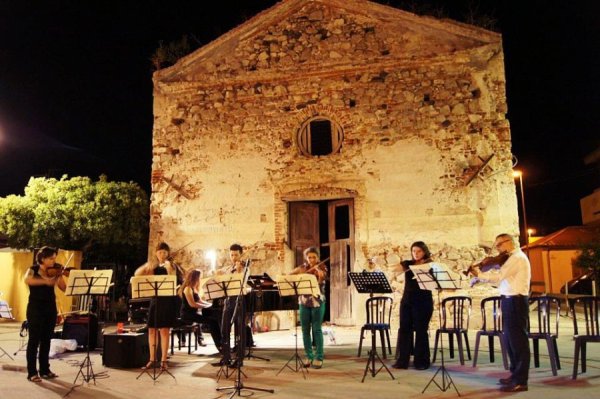
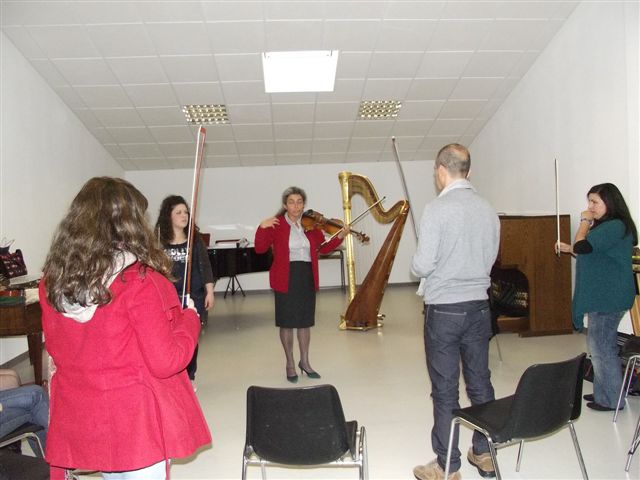
Do you want a workshop on the Havas New Approach?
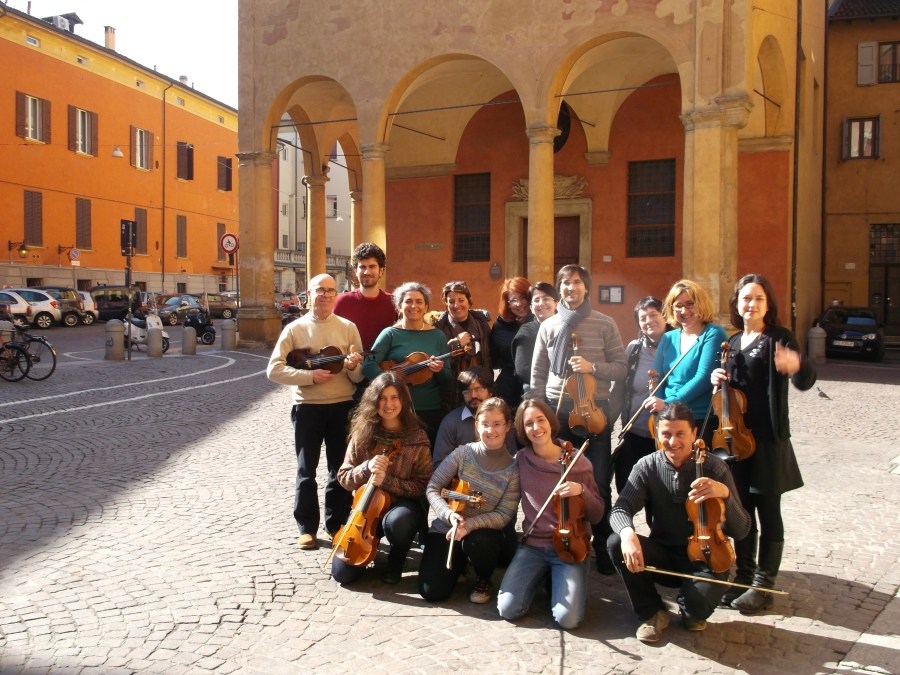
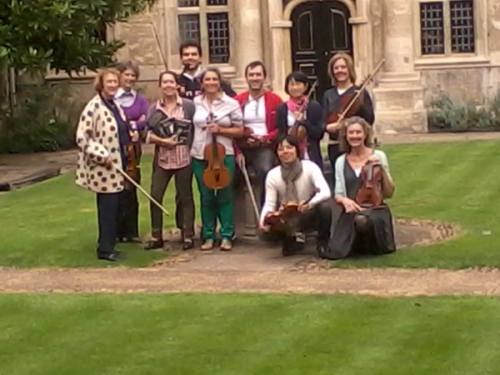
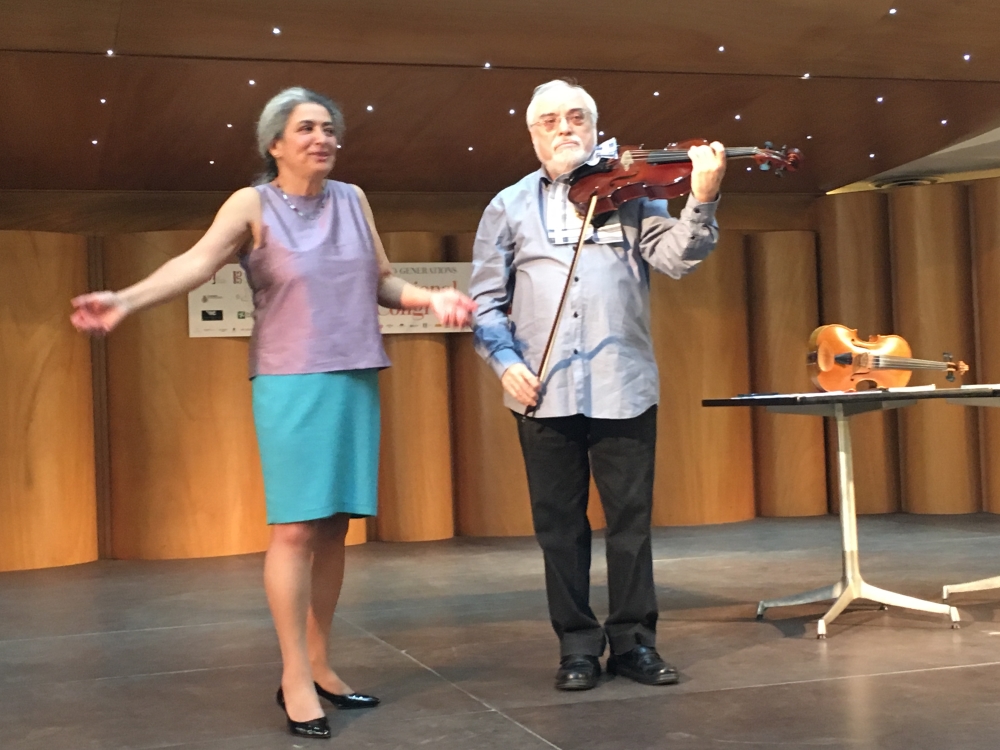
Workshop at the 43rd International Viola Congress, in Cremona

